
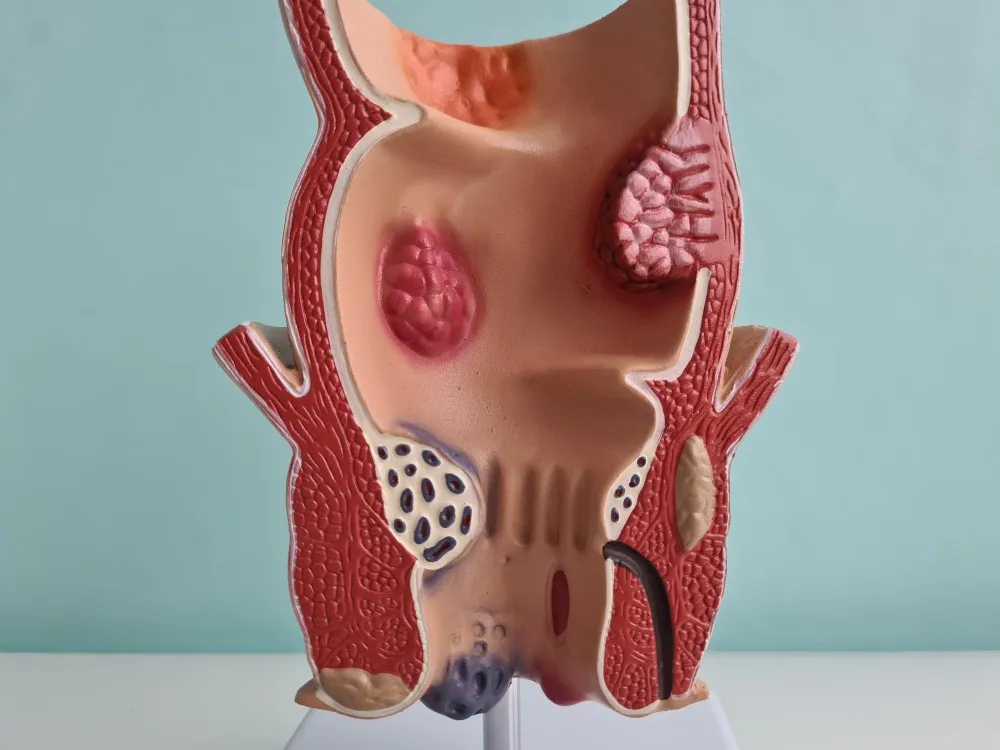
An anal fistula is an abnormal tunnel that forms between the anal canal and the surrounding skin, often following an infection or abscess. It can cause persistent discomfort, swelling, drainage, and recurring infections if left untreated. Early diagnosis and appropriate management are essential for preventing complications and improving recovery.
Many people hesitate to seek medical attention because of embarrassment. However, timely evaluation is the most important step toward effective treatment.
Understanding an Anal Fistula
A fistula usually develops after an infection near the anus fails to heal completely.
Possible symptoms include
- Pain around the anus
- Swelling
- Recurrent discharge
- Skin irritation
- Bleeding
- Difficulty sitting comfortably
Persistent symptoms require assessment by a qualified healthcare professional.
How Ayurveda Supports Fistula Management
Ayurveda focuses on promoting tissue healing, improving digestive health, and supporting overall recovery through personalized treatment plans.
Management may include
- Herbal medicines
- Dietary guidance
- Panchakarma therapies where appropriate
- Local Ayurvedic procedures
- Lifestyle modifications
- Hygiene recommendations
Treatment is individualized based on the patient's condition.
Diet and Digestive Health
Healthy bowel habits reduce unnecessary strain during recovery.
Helpful dietary choices include
- Fiber-rich vegetables
- Fresh fruits
- Whole grains
- Plenty of water
- Warm home-cooked meals
Avoiding constipation is an important part of long-term management.
Questions to Ask Before Choosing Treatment
Before selecting any treatment option, consider asking
- What is the exact diagnosis?
- How severe is the fistula?
- Are additional investigations needed?
- What are the expected treatment outcomes?
- What lifestyle changes will support recovery?
- How often are follow-up visits required?
These questions help patients make informed healthcare decisions.
Healthy Habits That Support Recovery
Recovery often depends on combining treatment with healthy routines.
Recommended practices include
- Maintain good hygiene.
- Drink adequate water.
- Eat a balanced diet.
- Avoid prolonged constipation.
- Stay physically active within medical advice.
- Attend regular follow-up appointments.
These measures may contribute to better long-term outcomes.
Shree Dhanvantari Ayurveda Hospital in Bangalore provides personalized Ayurvedic consultations for patients seeking holistic support for anorectal conditions. The hospital evaluates each individual's health status before recommending suitable therapies and lifestyle guidance, helping patients make informed decisions about their care while supporting long-term digestive and overall wellness.
Keywords