Bangalore
08042781778
Ayurveda treatment for Diabetes service image
Ayurveda treatment for Diabetes

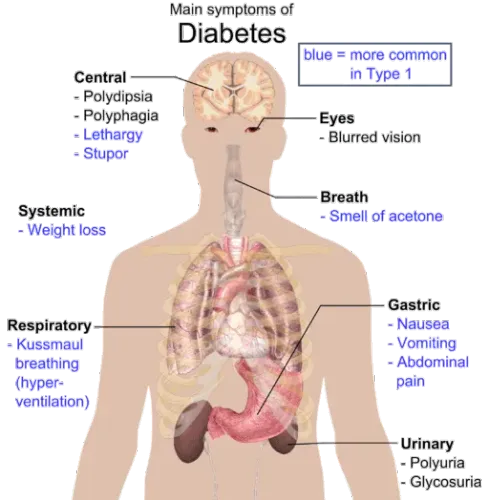
Diabetes mellitus (DM), commonly referred to as diabetes, which is one among the life style disorders and is a group of metabolic diseases in which there are high blood sugar levels over a prolonged period. Symptoms of high blood sugar include frequent urination, increased thirst, and increased hunger. If left untreated, diabetes can cause many complications. Acute complications include diabetic ketoacidosis and nonketotic hyper osmolar coma. Serious long-term complications include cardiovascular disease, stroke, chronic kidney failure, foot ulcers, and damage to the eyes. Diabetes is due to either the pancreas not producing enough insulin or the cells of the body not responding properly to the insulin produced. There are three main types of diabetes mellitus: 1.Type 1 DM results from the pancreas' failure to produce enough insulin. This form previously referred to as "insulin-dependent diabetes mellitus" (IDDM) or "juvenile diabetes". The cause is unknown. 2.Type 2 DM begins with insulin resistance, a condition in which cells fail to respond properly. As the disease progresses a lack of insulin may also develop. This form was previously referred to as "non insulin-dependent diabetes mellitus" (NIDDM) or "adult-onset diabetes". The primary cause is excessive body weight and not enough exercise. 3.Gestational diabetes, is the third main form and occurs when pregnant women without a previous history of diabetes develop a high blood sugar level. In Ayurveda it is termed as ’MADHUMEHA'. It is one among 4 types of Vataja Pramehas. Caused by the aggravation of vata. Patient passes urine which is of sweet and astringent in taste,pale in colour and ununctous. Main doshas and dushyas which are involved in causing Prameha are: Vata,medas,mamsa,kleda and ojas. PATHOGENESIS Oja ,by nature is of Madhura(sweet).when due to its ruksha (dry) property,Vata converts it into that of kashaya(astringent) taste and takes it into the Urinary bladder,due to its roughness,this causes MADHUMEHA. Madhumeha is caused due to the following: -Excessive intake of astringent,pungent,bitter,rough,light and cold things. -Excessive indulgence of intercourse and exercise. -Excessive administration of Panchakarma therapies. -Resorting to suppression of the manifested urges, fasting, assault, exposure to sun, anxiety, grief,excessive blood letting,keeping awake at night and irregular posture of the body. TREATMENT VIRECHANA Vina Shunti Shadanga paniya SHIRO DHARA. In few selected cases Basti is also recommended. Healthy lifestyle and diet should be maintained. For further details please contact : 23505777, 9341226614

Obesity Treatment service image
Obesity Treatment

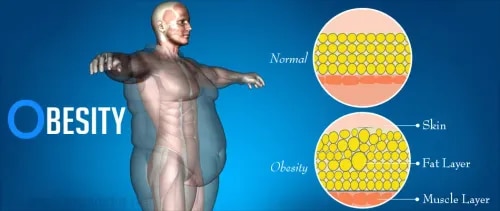
The Causes Of Obesity Are: When a person consumes more calories than he burns then the excess calories get stored in the form of fat causing obesity. Genetic Factors - Obesity tends to run in and their tendency to accumulate fat. Even the diet and lifestyle habits which are practiced in family also contribute to obesity. Environment - A person’s eating habits and level of physical activities a person has also contribute for excess deposition of fat. When a person eats food containing more calories and has a sedentary work then the calories consumed are more than calories burnt. The excess amount calories are stored as fat. Psychological Disturbances - There is a tendency over eat in response to negative emotions like boredom, sadness or anger. This leads to obesity. Binge eating disorder. Diseases and Conditions - like Cushing's syndrome, Depression, and certain neurological problems lead to overeating which in turn leads to accumulation of fat. Medicines - such as steroids and antidepressants may cause weight gain. Insulin stimulates LPL formation. The LPL breaks the circulating to free fatty acids which can enter the adipocyte. Insulin is also required for the transport of glucose, which is needed for conversion of free fatty acids to tryglycerides in adipocytes. The conversion of glucose to fatty acids is accomplished by insulin's activity on several enzymes. CAUSES EXPLAINED IN AYURVEDA The causes of obesity are very clearly explained in Ayurveda. The following reasons which are mentioned in Ayurveda increases the deposition of fat in one's body. According to Ayurveda the causes of obesity are defined as Avyayama : Lack of physical exercise. Divaswapna : Sleeping in afternoon. Shleshmala Ahara Vihara : The diet and life styles increase Kapha. Madhura Annaha : Consuming. Obesity - Accumulation of Fat How Does Fat Accumulate Inside One's Body.? Adipose tissue is specialized connective tissue that functions as the major storage site for fat in the form of triglycerides. There Are Two Different Types of Adipose Tissues, namely White adipose tissue Brown adipose tissue Most Adipose Tissue is White. White Adipose Tissue Does Three Functions, namely Heat insulation. Mechanical cushion (adipose tissue also surrounds internal organs and provides protection for these organs). A source of energy. The adipose tissue which is directly below the skin (subcutaneous adipose tissue) specially acts as the heat insulator of the body. It conducts heat only one third compared to other tissues. The degree of insulation is dependent upon the thickness of this fat layer. Lipogenesis Lipogenesis is the deposition of fat. This process occurs in adipose tissue and in the liver. Insulin, a hormone secreted by the cells of the pancreas, plays an important role in the lipogenic process. The net effect of insulin is to Increase storage Block mobilization and oxidation of fatty acids Obesity Leads To The Following Health Complications Type - 2 diabetes Heart disease High Blood pressure Stroke Few types of Cancers Gall stones Liver diseases Osteoarthritis Gout Infertility Irregular menstruation in women According To Ayurveda An Obese Individual Is More Prone To The Following Health Disorders Diabetes Kidney related problems Hepatitis Low libido Low energy levels Skin problems Fistula Piles Filariasis OBESITY FOR AYURVEDA Obesity - Maintain Your Waist Line And Reduce Obesity FEW HANDY TIPS: 1)Start morning walk, slowly increase up to 1 hr 30 minutes. 2) Drink water, minimum 2.5L per day. 3) No sweets. 4) Start green tea or black lemon tea. 5) Avoid bakery food, oil fried food, ice cream and etc. 6) No rice or rice item at nights. 7) Use more green vegetable. TREATMENT VAMANA VIRECHANA LEKHANA BASTI UDVARTANA For further details please contact : 23505777, 9341226614

Male Impotence treatment service image
Male Impotence treatment

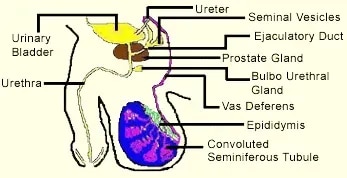
The testes are two glandular organs, which secrete the semen; they are suspended in the scrotum by the spermatic cords. Testes are suspended outside the abdominal cavity in the scrotum. In ayurveda Acharya Sushruta, while explaining the anatomy of testis has said "Maamsa asruk kapha medaha prasaadaadwavrushanaha" which means the two testes are made up of musles, blood, fat and their derivatives. Scrotum The Scrotum is a cutaneous pouch which contains the testes and parts of the spermatic cords (the spermatic cord is composed of arteries, veins, lymphatics, nerves, and the excretory duct of the testis. These structures are connected together by areolar tissue). It is divided on its surface into two lateral portions by a ridge or raphé. (Sushruta explains raphe' as "seevani" or a stitch like ridge. He has cautioned not to injure it with surgical instruments) of these two lateral portions the left hangs lower than the right, to correspond with the greater length of the left spermatic cord. The Testes (two egg-shaped structures) remain in the Scrotum, outside the body, where the temperature is about 3 degrees C Cooler than the body internal temperature (27 degrees C. sperm development in the testes requires the lower temperature.) The testis is composed primarily of seminiferous tubules and interstitial cells. Seminiferous tubules are packed closely together. There are approximately 500 tubules in each testis. The cells within the seminiferous tubules are germ cells an sertoli cells.The germ cells mature into spermatozoa or sperms. The Sertoli cells serve as supporting cells for developing germ cells. Leydig cells are very important cells that are present in the interstitial space outside the seminiferous tubule. These cells produce testosterone which stimulate the germ cell maturation. The complex process involved in production of sperms from germ cells is known as spermatogenesis. Spermatozoa or sperms are first produced at puberty and spermatogenic activity is maintained into old age. Millions of sperms are produced each day. The mature sperms are released into the lumen of seminiferous tubule. The sperms pass into epididymis. (lying upon the lateral edge of this posterior border is a long, narrow, fiattened body, named the epididymis), The canal of the epididymis is continued into the vasdeferens which rise up over the brim of the pelvis and passes down to the prostate gland at the base of the urinary bladder. It joins the seminal vesicles to form the ejaculatory ducts. Epididymis serves as sperm conduit and sperm reservoir where sperm acquire motility and fertilizing capacity. Just prior to ejaculation, the testes are brought close to the abdomen and fluid is rapidly transported through the vas deferens to the ejaculatory duct and subsequently into the urethra.(the urethra passes through the penis and opens to the outside.) Hormones That Influence In Sperm Production Males begin to produce Sperm during Puberty. At this time, the male hormone( androgen) testosterone produced by testes, stimulate the sperm production. The pituitary gland releases FSH (follicle – stimulating hormone) and LH (luteinizing hormone). These hormones stimulate the testes to make Testosterone, the male sex hormone. The whole male body responds to testosterone. Hence sushruta has said " Yatha payasi sarpistu goodashchekshow raso yatha shareereshu tatha shukram nrinaam vidyaadhbishagwara " This means "The shukra (the element which helps in reproduction) is present all over the body. This can be explained with the following examples The ghee is present in milk in an invisible form. This is extracted from milk using many processes. The sugar is present all over the sugarcane. It is extracted by subjecting the sugarcane to number of processes. Same way shukra is present all over the body. But the cream of shukra (semen) comes out of the body only during the process of ejaculation. But this process of ejaculation needs a joyful union of mind and body. Hence the ayurveda therapy to increase libido, semen and erection involves a step which rejuvenates and nourishes the whole body and mind.The testosterone produces secondary sexual characteristics in male like deep voice, beard, body hair etc. The FSH and testosterone stimulate the sperm production and development. For further details please contact : 23505777, 9341226614

Genital Herpes Treatment service image
Genital Herpes Treatment

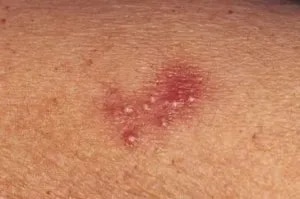
CAUSES OF HERPES Herpes is caused by either of two viruses that are transmitted by direct contact. Once established, the virus remains dormant in the body, and activates during times of stress. Herpes is caused by two types of herpes simplex virus (HSV): HSV-type 1 (HSV-1) and HSV-type 2 (HSV-2). Either virus can cause blisters in the mouth or genital region, but HSV-2 typically affects the genitals, whereas HSV-1 most commonly affects the mouth. According to Charakaacharya the herpes which is limited to skin and underlying tissues (bahya margashrita) can be treated. The herpes which affects skin, blood and lymph can be treated successfully. But the herpes which involves the internal organs (abhyantara margashrita) like brain can not be treated. But before knowing about the treatment a brief introduction about causes, symptoms and precipitating factors for herpes as described in ayurveda are given here. Pathology When a person indulges in mentioned activities the three doshas of body element which controls nerves, neurons and related physiology),Pitta (the element which regulates and controls the body and cell metabolism. Also present in skin) and and Kapha (the element which binds the tissues and gives strength to body) get imbalanced. The imbalanced doshas vitiate or spoil- 1.Blood (rakta) 2.Lymph(lasika) 3.Skin (twacha) 4.Muscle (mamsa) Treatment(according to ayurveda) Balancing Imbalanced Doshas And Vitiated Tissues When body is suffering from a disease the balance between three doshas will be disturbed. The first step of treatment is to balance doshas. This is achieved by administering medicines which balance the vitiated doshas of the disease .In genital herpes all three doshas get imbalanced and vitiate skin, blood and lymph. The skin,blood and lymph are purified through herbal preparations which metabolize the toxin AAMA accumulated in blood and lymph formed due to imbalanced doshas. The herbal preparations detoxify blood and lymph and expel the toxins and vitiated doshas from blood and lymph. When blood and lymph get purified the skin and underlying tissues also get rejuvenated. This reduces the inflammation, burning and tingling sensation. Clinical trials have shown that after the administration of these preparations the frequency of attacks are reduced considerably. Boosting Body Immunity And Rejuvenation Of Body According to Ayurveda a disease not only affects a particular organ but affects the whole body. Hence the treatment is given to the entire body. After balancing doshas of the body , the body should be rejuvenated. By rejuvenation the body immunity gets boosted to fight any recurrent attacks of diseases. Many Ayurveda preparations are available for body rejuvenation when body is suffering from herpes. The body immunity is boosted using Rasayanas. Rasayanas are specifically mentioned as herbal preparations which give body a strength to resist diseases.Rasayanas preparations balance vitiated doshas in skin and blood. When vitiated doshas of skin are balanced the frequency of attacks reduces. The duration between the attacks are extended considerably. These preparations also boost the body immunity and also rejuvenate the body tissues by nourishing the body. Local Treatment for Affected Skin Parts Along with the process of balancing doshas and rejuvenation of body, the treatment to the particular organ which is mainly affected by the disease should be treated. This is called local treatment (sthanika chikitsa). In genital herpes this is achieved through local application of herbal paste, washing the affected area with herbal decoction etc. Rejuvenation of the affected local skin is achieved through local application of herbal pastes. This preparation rejuvenates the skin and restores the structure -color of skin. These preparations also reduce local inflammation of the skin and skin gets a very good resistance to subsequent attacks. The tenderness of the skin vanishes and skin discoloration fades to get back the natural color. Diet and Lifestyle Modifications These Help to rejuvenate body and mind thereby increasing resistance to attacks.These modifications also reduce frequency of attacks by controlling precipitating factors like mental stress and emotions. Present Views on Genital Herpes And Ayurveda Treatment According to modern medical science at present there are no medicines for Genital Herpes. And the precipitating factors for Genital herpes are - Illness Stress Poor diet Immune disorders Friction Sunburn Physical trauma Surgery Menstruation Sex Of eleven reasons mentioned above the first five can be definitely avoided by adopting Ayurveda treatment methods. Illness Falling ill frequently is mainly due to decreased immunity of body. Due to decreased immunity body cannot resist the diseases. Many Ayurveda preparations which are called as Rasayanas are specially formulated by our ancient sages to boost the body immunity. Stress Stress is efficiently managed through YOGA and MEDITATION Poor Diet The nutritional deficiencies due to poor diet are effectively compensated by Ayurveda herbal Rasayanas Immune Disorders The immune disorders can be effectively controlled with Ayurveda herbal rasayana preparations. Friction In genital herpes the skin of affected part of genital organ will be very sensitive .Even a little friction during intercourse cause injury to that part. The sensitivity of the affected skin to friction can be reduced by applying herbal pastes locally. These herbs work wonders on affected parts of skin by rejuvenating skin cells to resist the frictional force. A Complete Treatment Virechana Basti.KrimiHara Bast And Yapana Basti. According to Ayurveda treatment of genital herpes will be successful when all theabove mentioned treatment methods are adopted. For further details please contact : 23505777, 9341226614

PSORIASIS Treatment service image
PSORIASIS Treatment

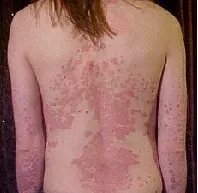
Psoriasis (from Greek meaning "itching condition" or "being itchy",[1] from psora, "itch" and -sis, "action, condition"; also termed Psoriasis Vulgaris)[2] is a common, chronic, relapsing/remitting, immune-mediated systemic disease characterized by skin lesions including red, scaly patches, papules, and plaques, which usually itch. The skin lesions seen in psoriasis may vary in severity from minor localized patches to complete body coverage. The five main types of psoriasis are plaque, Guttate, Inverse, Pustular , and Erythrodermic.[4] Plaque psoriasis, the most common form, typically manifests as red and white scaly patches on the top layer of the skin. Skin cells rapidly accumulate at these plaque sites and create a silvery-white appearance. Plaques frequently occur on the skin of the elbows and knees, but can affect any area, including the scalp, palms of hands, and soles of feet, and genitals. In contrast to eczema, psoriasis is more likely to be found on the outer side of the joint. Fingernails and toenails are frequently affected (psoriatic nail dystrophy) and can be seen as an isolated sign. Inflammation of the joints, known as psoriatic arthritis, affects up to 30% of individuals with psoriasis. The causes of psoriasis are not fully understood. It is not purely a skin disorder and can have a negative impact on many organ systems. Psoriasis has been associated with an increased risk of certain cancers, cardiovascular disease, and other immune-mediated disorders such as Crohn's disease and ulcerative colitis. It is generally considered a genetic disease, thought to be triggered or influenced by environmental factors. Psoriasis develops when the immune system mistakes a normal skin cell for a pathogen, and sends out faulty signals that cause overproduction of new skin cells. It is not contagious.[6] Oxidative stress, stress, and withdrawal of a systemic corticosteroid have each been suggested as a trigger for psoriasis.[8] Injury to the skin can trigger local psoriatic skin changes known as the Koebner No cure is available for psoriasis, but various treatments can help to control the symptoms. The effectiveness and safety of targeted immune therapies is being studied, and several have been approved (or rejected for safety concerns) by regulatory authorities. The disease affects 2–4% of the general population. In Ayurveda it is called as ‘KITIBA’ Which is mainly caused due to the vitiation of Vata,Pitta,Kapha,Raktha,Mamsa,Lasika and Ambu.which manifests on the skin as lesions which are Rooksha (dry),khara (rough),shyava(dark) which is scaly. Ayurveda provides the better treatment for this condition where in 70% cure is observed. Purificatory therapies: 1.VAMANA 2.VIRECHANA 3.RAKTHAMOKSHANA 4.DHARA (SHIRO AND SAARVA DAIHIKA)-VANA HARIDHRA KSHEERA KASHAYA DHARA For further details please contact : 23505777, 9341226614

SKIN CARE service image
SKIN CARE

According to Ayurveda: Due to the improper ahara and vihara (diet and regimen) ,one the bodily humors called PITTA gets aggravated and vitiates RAKTHA(Blood) ,which gets lodged in the skin and causes many fold diseases. According to Modern: All the skin diseases basically involves a causative organism like Bacteria, virus, fungus etc,.Through which various skin disorders are manifested. Few common skin diseases are: PSORIASIS ECZEMA CARBUNCLES WARTS ALLERGIC RASHES MELANOMA FUNGAL INFECTIONS ETC. HYPERPIGMENTATION HYPOPIGMENTATION (VITILIGO/LEUCODERMA) ACNE VULGARIS SCARS ALLERGIC DERMATITIS Apart from above mentioned disease we treat all types of acute & chronic skin diseases through Ayurveda PanchKarma Treatment. The mode of treatment adopted by Ayurveda for the above mentioned diseases are: VAMANA VIRECHANA & RAKTAMOKSHANA COSMETIC SKIN PROBLEMS ACNE DARK CIRCLES WRINKLES Causes of Acne and Pimples A large numbers of oil producing glands called sebaceous glands are present under the skin, prominently on face, back, chest and shoulders. During puberty or menopause due to the influence of the sex hormones, which are produced in male and female, these glands become more active and produce an oily secretion called sebum which makes the skin oily. The excessive sebum clogs the skin pore or the pit of the hair follicle. The blocked pore acts as good habitat for bacteria.The bacterial infection causes inflammation (red, painful swelling of the infected area) of the clogged pores or hair follicles. Vata and Kapha are two main doshas, which are involved in eruption of acne and pimples. The oil produced by glands is called as meda (body fat). Kapha (one of the tridoshas) is dominant in meda. The presence of Kapha in it sticky. Vata is dominant in skin. When Vata gets aggravated due to unhealthy diet and life styles, it activates the oil glands of skin to secrete more sticky oil or sebum. Thus the sticky oil or sebum oozes out to clog skin pores. The Factors, Which Vitiate VATA ->Avoiding natural urges like urination, defecation, sleep, hunger, thirst,etc -> Consumption of food irregularly ->Irregular sleeping habits ->Talking in high pitch ->Psychological disturbances The Formation Of Black Heads, White Heads And Scars Black heads : The clogged pores get a dark color due to dust and excess pigment to cause blackheads. White heads : The hair follicles when blocked with sebum causes white head. Scars or Marks : When the infection spreads to sebaceous glands through infected acne a cyst develops below the skin surface.This cyst may rupture to spread the infection to neighboring skin tissues. This causes scars or marks Ayurveda’s Tried And Tested Methods To Prevent Acne And Pimples ->Avoid incompatible foods namely: ->Curds, salt, mushrooms, bamboo shoots, sour fruits, meat, prawn, pork, should not be consumed with milk. The above mentioned foods should not be consumed by mixing one item with another Sprouts, honey and milk should not be consumed with meat and fish; Fish & milk ;fish & sugarcane juice; jaggery & pork; honey & pork; milk & mango; banana & milk; are incompatible foods). ->Avoid exercise after meals. ->Do not consume foods which leads to indigestion. ->Avoid exposure to extreme climates ->Avoid excess usage of curds, fish, sour and salty foods, Bengal gram, radish, sesame, horse gram and jaggery ->Control your emotions through Yoga and Meditation Dos And Donts To Avoid Acne And Pimples Do's ->Consume more water and keep your body well hydrated -> Wash your face thoroughly with a soap that suits your skin, 4 to 5 times a day. Avoid excessive removal of oil, as skin needs certain amount of oil to maintain its natural healthy condition ->Wash your face thoroughly after using cosmetic products that block the pores ->Consume green leafy vegetables and fresh fruits ->Sleep sufficiently for long hours Dont's ->Spicy, dry foods ->Consuming constipating foods ->Squeezing of acne Too much consumption of soft drinks, tea, coffee Prithvi Mudra : Makes body sturdy. One experiences Method : Join the tip of the thumb and ring finger Asthma is a long-lasting (Chronic) disease of the lungs is inflames your airways (Bronchi) seriously, which is characterized by- 1.Shortness of Breath/difficulty in breathing 2.Feeling tightness or pressure in the chese 3.Frequent upper Respiratory infection & wheezing 4.Coughing – Ususally dry, light and non-productive In today’s stressful modern urbanized living increasing the incidence of asthma considerably children suffer more than adults and more common in boys than in girls. Asthma attacks are not all the same. Some are worse than other. Many people with asthma have problems only occasionally, but others struggle with it everyday. It can be life threatening particularly if it is not treated adequately and promptly. So taking care of asthma becomes mandatory. Ayurvedic insight into asthma has a broader perspective. It classifies the asthma as an acutely Kaphic disorder with simultaneous accumulation of ama (toxin which produced by undigested and uneliminated food particles) at Respiratory system brought on by excessive mucous and phlegm. Although the human body has a great intelligent, natural healing system that is capable of rejuvenating itself, the formation of toxins reduces this natural capacity. So, the versatile approach of Ayurveda always focusing the root cause of disease. That means the therapy does not attack on Asthma, but attack on reasons causing. TREATMENT: Ayurveda emphasize on treatments to eliminate such toxins and balancing the Dosha.Some such treatments are - 1.Vamana (Therapeutic Vomiting or emesis) & 2.Virechana (Purgation therapy) VAMANA is the procedure in which we eliminate the waste product (kapha toxins) which is collected in the body and respiratory tract from its roots (stomach) through the mouth. The course of treatment involves loosening and mobilizing the toxins in an effort to finally eliminate them. After vomiting the patient will feel very comfortable, most of congestion, wheezing and breathlessness will disappear along with the clearing sinus. As the process of purification is done from the roots the chances of attacks is come to control. After Vamana, the Virechana therapy and internal medicines plays a role to stop further production of toxins and strengthens your immune system, make the respiratory system more resistant, enhance our self-reliance, vitality and mental clarity. Treatment for children below 14 years and aged people will include only internal pills and syrups. For further details please contact : 23505777, 9341226614

AYURVEDIC CURE FOR MIGRAINE service image
AYURVEDIC CURE FOR MIGRAINE

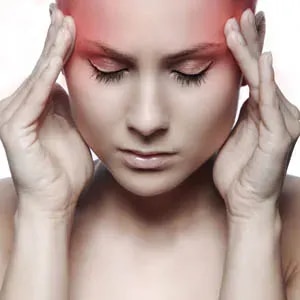
Migraine is a widespread serious health calamity owing from modern lifestyle, which made a grievance disability in the world. Studies show that ten to fifteen percent people are migraine sufferers in India. Prevalence in women is three times more than men, utmost it is associated with their menstrual cycle & Menopause. Some of the MIGRAINE TRIGGERS are 1.High stress, anxiety, anger 2.Hormonal fluctuations – in women 3.Irregular sleep 4.Some type of allergy, Food habits, etc…. Migraine is a form of excruciating periodic headache allied with digestion and neurological disorders. Symptoms accompanying during the Migraine attack are- 1.Severe pain (unilateral), throbbing, pricking & pounding in the head. 2.Nausea, Vomiting, Dizziness 3.Loss of appetite, Numbness and Fatigue in the body 4.Sensitivity to sound, light and Smell. 5.Warning symptoms appears prior to the Migraine attack. Visual Disturbances – i.e. Shimmering, spots of stars, Zigzag lines, Loss of vision in one eye, Blurred vision and flashes of light. Some people experience the attack daily; others may get every month or every two or three months periodically. Duration of attacks may be last from 4 hours to 72 hours in some cases. The pain of migraine headache is generally moderate to severe and can disturb our normal activities & spoil our health vulnerably. Although a variety of pain relievers are available to treat Migraine, besides it suppresses the pain but the problem persists in the body and prolong use of painkillers must cause severe side effect whereas Ayurveda provides a safe and natural treatments to get complete cure. Among the ancient medical systems of the world, Ayurveda follows quite different way in dealing with Migraine; it tends to be result-oriented, not process oriented. It looks at the people as individual not as a generic group. Treatment: The specialty of Ayurveda lies in the concept of disease and concept of complete cure. So it focusing the root cause of the disease. As described above, Toxin (Ama) and aggravation of Dosha are the main causes of the disease. So, effort can be made by removing the toxin, from the body, (by adopting various purificatory procedures) stimulate the digestive fire to stop further production of Ama and balancing the Dosha. In order to that, Ayurveda classify the local treatment (upakarmas) such as- Shiro Pichu Shiro Dhara And main treatment (Pradhana Karmas) such as- 1.Virechana (Purgation Therapy) 2.Basti (Enema Therapy) 3.Nasya Are an effective and powerful self-healing process, which helps the body to eliminate the toxins and to stop further production of toxins, strengthen our immune system and become more resistant to illness, enhance our self-reliance, strength, energy, vitality and mental clarity and bring about deep relaxation and sense of well-being. Along with these treatments, internal medicines (Herbo- Mineral - Compounds) play an important role in curing this disease. According to Ayurveda, if proper treatment is given, there are fairly good chances to cure. For further details please contact : 23505777, 9341226614

Allergy & Asthama ayurveda treatment service image
Allergy & Asthama ayurveda treatment

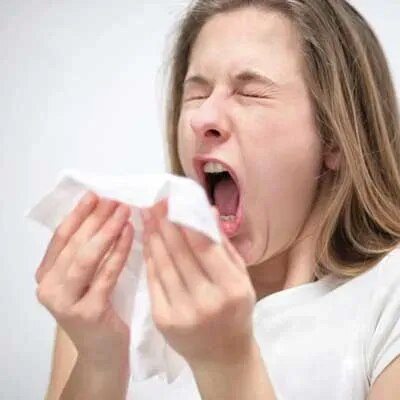
AYURVEDIC CURE FOR ASTHMA Is asthma curable? Is there any path for that? – are some frequently asked questions from many. Why not? Says Dr.S.S.Hiremath, the skilled Ayurvedic Practitioner of Shree Dhanvantari Ayurveda Hospital situtated at Rajajinagar Entrance, Bangalore, has describing an Ayurvedic approach for Asthma. Asthma is a long-lasting (Chronic) disease of the lungs is inflames your airways (Bronchi) seriously, which is characterized by- 1.Shortness of Breath/difficulty in breathing 2.Feeling tightness or pressure in the chese 3.Frequent upper Respiratory infection & wheezing 4.Coughing – Ususally dry, light and non-productive In today’s stressful modern urbanized living increasing the incidence of asthma considerably children suffer more than adults and more common in boys than in girls. Asthma attacks are not all the same. Some are worse than other. Many people with asthma have problems only occasionally, but others struggle with it everyday. It can be life threatening particularly if it is not treated adequately and promptly. So taking care of asthma becomes mandatory. Ayurvedic insight into asthma has a broader perspective. It classifies the asthma as an acutely Kaphic disorder with simultaneous accumulation of ama (toxin which produced by undigested and uneliminated food particles) at Respiratory system brought on by excessive mucous and phlegm. Although the human body has a great intelligent, natural healing system that is capable of rejuvenating itself, the formation of toxins reduces this natural capacity. So, the versatile approach of Ayurveda always focusing the root cause of disease. That means the therapy does not attack on Asthma, but attack on reasons causing. TREATMENT: Ayurveda emphasize on treatments to eliminate such toxins and balancing the Dosha.Some such treatments are - 1.Vamana (Therapeutic Vomiting or emesis) & 2.Virechana (Purgation therapy) VAMANA is the procedure in which we eliminate the waste product (kapha toxins) which is collected in the body and respiratory tract from its roots (stomach) through the mouth. The course of treatment involves loosening and mobilizing the toxins in an effort to finally eliminate them. After vomiting the patient will feel very comfortable, most of congestion, wheezing and breathlessness will disappear along with the clearing sinus. As the process of purification is done from the roots the chances of attacks is come to control. After Vamana, the Virechana therapy and internal medicines plays a role to stop further production of toxins and strengthens your immune system, make the respiratory system more resistant, enhance our self-reliance, vitality and mental clarity. Treatment for children below 14 years and aged people will include only internal pills and syrups. For further details please contact : 23505777, 9341226614

Spine care treatment service image
Spine care treatment

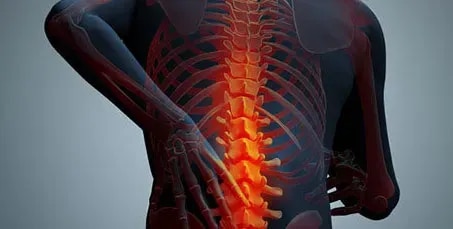
Each segment of the spine is crucial to the well being of the entire spinal column and cord since the strength of each portion is contingent upon the other vertebrae and discs to function properly. Through time, the spine may be subjected to constant stress, repetitive or high impact injuries, diseases, and arthritis. These conditions can cause pain, degeneration, and lack of function. Ankylosing Spondylitis Ankylosing Spondylitis (AS) is a form of progressive arthritis that creates chronic inflammation of the spine and sacroiliac joints, the two joints that connect the spine and the pelvis. Initially, inflammation occurs in the sacroiliac joints then progresses to the spine, causing stiffening and restricted movement. With long-term inflammation of the spinal joints (spondylitis), calcium deposits form in the ligaments around the invertebral discs that cushion the vertebrae and in the ligaments that hold the vertebrae together. As the ligaments calcify, movement and flexibility become severely impaired. The disease can progress to the point of fusing the vertebrae together which is known as “ankylosis.” As a result of AS, the vertebrae become brittle causing the spine to loose mobility and be receptive to fractures. AS is a systemic disease that not only affects the joints, spinal ligaments and bones, but also the body’s organs. Arthritis Inflammation of a joint, usually accompanied by pain, swelling, and stiffness, resulting from infection, trauma, degenerative changes, metabolic disturbances, or other causes. Bulging Disc Bulging discs are not uncommon, and frequently are displayed on MRIs as an abnormality for both young and older adults. Having a bulging disc is not necessarily a serious concern, and it may not even cause back pain. Bulging most likely happens as the body ages and degeneration of the intervertebral disc occurs. A bulging disk is formed when the soft, spongy center of the disk, the nucleus pulposus, pushes out and places pressure on the outer surrounding fibrous ligament, the annulus fibrosis that contains the center. Unlike a herniated disc, the bulging disc still contains the nucleus material. Cervical Arthroplasty In treating cervical disc degeneration, treatments are often limited to decompression, correction of deformity, or stabilization of the spine. With the exception of decompression, procedures such as these require fusion, which immobilizes the spinal segments that are fused. Cervical Arthroplasty is a break-through procedure which involves disc replacement, restoring range of motion and offering a significant treatment toward spinal pain. Degenerative Disc Disease Over time, the spine can be stressed with daily motion and minor injuries that eventually create wear and tear on the intervertebral discs causing them to degenerate. The discs are designed similar to shock absorbers to handle pressure and impact, as well as act as a cushion during the body’s movement to keep the spine flexible. Their role is vital to preserving the vertebrae, as bones cannot sustain repeated stress without becoming damaged. In a healthy intervertebral disc, the soft, spongy center known as the nucleus pulposus contains a high level of water content allowing it to absorb stress. When excessive pressure or impact is incurred by the disc, the annulus (the tough outer ligament material that surrounds the nucleus and supports the vertebrae), is often the first portion of the disc to exhibit damage. Small tears in the ligament material are replaced with scar tissue as the body tries to heal itself. However, the scar tissue is not as strong as ligament and weakens the annulus. As the outer layer degenerates, the nucleus pulposus begins to loose water causing it to dry up. Due to water loss, the disc looses its capability to absorb stress and act as a cushion for spinal flexibility. This situation creates added stress, and the damage cycle becomes repetitive further tearing the annulus and causing the nucleus to collapse. As the disc compresses, the space between the vertebrae above and below it narrow. As the area becomes constricted, the facet joint, located at the back of the spine, can move out of position rendering the joint less operable. In addition to the lack of joint facilitation, bone spurs known as osteophytes may form around the disc space and the facet joint as the body’s response to impede excessive motion to the damaged area of the spine. The bone spurs can impair the spine if they grow into the spinal canal and press on the spinal cord and nerves. This condition is known as spinal stenosis. Facet Disease The Facet joints are the joint structures that connect the vertebrae to one another. The facet joint is like any other joint in your body – they have cartilage that line the joint, (this allows the bone to glide smoothly over one another) and a capsule surrounding the joint. The function of the facet joint is to provide support, stability, and mobility to the vertebrae (spine). Facet Disease occurs when there is degeneration of the facet joint. Foraminal Stenosis Foraminal stenosis is a narrowing of the spinal foramen, the hole through which passes a spinal nerve as it exits the spine (foramen basically just means “hole”). It is usually a form of degenerative spine disease which occurs slowly over time with wear and tear of the spinal column. Arthritic changes of the spine, including herniated discs and bulging discs, soft tissue swelling and bony growth can all impinge on the formal foramen and compress the nerve within. Herniated Disc Disk herniation is a rupture of fibrocartilagenous material (annulus fibrosis) that surrounds the intervertebral disk. This rupture involves the release of the disk’s center portion containing a gelatinous substance called the nucleus pulposus. Pressure from the vertebrae above and below may cause the nucleus pulposus to be forced outward, placing pressure on a spinal nerve and causing considerable pain and damage to the nerve. This condition most frequently occurs in the lumbar region and is also commonly called herniated nucleus pulposus, prolapsed disk, ruptured intervertebral disk, or slipped disk. Pinched Nerve A pinched nerve occurs when too much pressure is applied to a nerve by surrounding tissues — such as bones, cartilage, muscles or tendons. This pressure disrupts the nerve’s function, causing pain, tingling, numbness or weakness. Spinal Stenosis Spinal stenosis is any narrowing of the spinal canal that causes compression of the spinal nerve cord. Spinal stenosis causes pain and may cause loss of some body functions. Sciatica Sciatica refers to pain or discomfort associated with the sciatic nerve. This nerve runs from the lower part of the spinal cord, down the back of the leg, to the foot. Injury to or pressure on the sciatic nerve can cause the characteristic pain of sciatica: a sharp or burning pain that radiates from the lower back or hip, possibly following the path of the sciatic nerve to the foot. Spondylosis A degenerative disease of the spinal column, especially one leading to fusion and immobilization of the vertebral bones. Also considered arthritis of the spine. Spinal Fractures The spinal bones have great strength, but like other bones in the body, they can fracture under circumstances that involve too much pressure, trauma or disease. When a spinal bone fractures it is known as a vertebral compression fracture. These types of fractures occur most often in the thoracic (middle portion) of the spine in the lower vertebrae. A normal bone can handle a great amount of pressure and with the spine’s flexibility it can bend to absorb stress, however if a bone weakens, the force becomes too great for the bone to sustain it. Intense pressure, physical injury or trauma can lead to minor or severe fractures. Trauma such as a fall, hard jump or impact from a car accident may stress the spine past its breaking point causing one or more of the vertebrae to crack or break apart. Osteoporosis, a disease that thins the bones can also weaken the vertebrae until they are unable to withstand pressure causing them to collapse. Spinal compression fractures are the most common type of osteoporotic fractures, besides the hip and wrist bones. These vertebral fractures can permanently alter the shape and strength of the spine, especially in elderly women who are more susceptible after hormone loss to losing weight and having spinal deformity. The spine may appear like a humped back where the shoulders fall forward and the top of the back looks enlarged. This disorder is referred to as “kyphosis.” In severe cases of osteoporosis, simple movements such as bending forward can create a crush or compression fracture. TRETMENT IN AYURVEDA THERE ARE SEVARALSPECIFIC AND BROAD LINE OF TREATMENT FOR EACH DISC PROBLEM MOST COMMANLY WE USE TO CURE SPINE DISORDERS ARE: 1.VIRECHANA 2.MADHUYESTIKSHEERAPAKA BASTI (KALA BASTI) 3.KATI BASTI 4.GREEVA BASTI 5.PRUSTA BASTI 6.PATRA PINDA SWEDA 7.THULODUL & THUMBING APART FROM ABOVE MENTIONED PANCHKARMA THERAPY PATIENTS SHOUD CONTINUE THE PRISCRIBED MEDICINES FOR MINIMUM OF 3 MONTHS For further details please contact : 23505777, 9341226614

“Arthritis” ( Arthritis /  Gout / Rheumatoid) service image
“Arthritis” ( Arthritis / Gout / Rheumatoid)

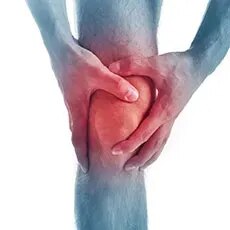
An Effortless Ayurvedic Treatment for “Arthritis” Arthritis is considered to be a leading cause of disability in the world. The 24% of people who consult the Doctors suffer either from some kinds of aches or pains. Among this 10-15% has suffered from Arthritis. Though the modern technology of medical world is inventing the new type of treatments, pills, pain killers, pain balms, etc., there is no complete cure for Arthritis, which is marked as a “CHRONIC DISEASE” stated Eminent Ayurvedic Practitioner Dr.S.S.Hiremath (The chief doctor of Shree Dhanvantari Ayurveda Hospital, Near Rajajinagar Entrance) has illustrated the Ayurvedic approach for Arthritis as below. ARTHRITIS – Simply means inflammation of joints, is common problem. It affects in all age groups, but more in old age which give the symptoms such as- 1.Stiffness, swelling in one or more joints. 2.Deep aching in joints. 3.Any pain associated with movement of a joint. 4.Tenderness, warmth or redness in an affected joints. 4.Fever, weight loss or fatigue that accompanies joint pain, etc. 5.Movement of the joint becomes extremely painful especially in cold, windy and damp weather. It is notable if this disease is not taken care of properly at the initial stage, the joint becomes immobile and may also become permanently deformed. The common types of Arthritis are- 1.Osteoarthritis (Sandhigata Vata) 2.Rheumatoid Arthritis (Ama Vata) 3.Gout (Vatarakta) 4.Fibromyalgia (CFS) 5.Ankylosing Spondylosis And sciatica, cervical spondylosis, Lumbar spondylosis etc. Ayurvedic Approach: According to Ayurveda, mostly pains are caused by Vata(Air) Dosha. The lack of Agni (digestion fire) creates undigested food toxins (Ama) which circulates the whole body and gets collected at joints. The accumulation of ama at joints with simultaneous aggravation of Dosha (Imbalance of Vata/Pitta/Kapha) causes the inflammation at joints, which is known as “Arthritis”. TREATMENT: The specialty of Ayurveda lies in the concept of disease and concept of complete cure. So it focusing the root cause of the disease. As described above, Toxin (Ama) and aggravation of Dosha are the main causes of the disease. So, effort can be made by removing the toxin, from the body, (by adopting various purificatory procedures) stimulate the digestive fire to stop further production of Ama and balancing the Dosha. In order to that, Ayurveda classify the local treatment (upakarmas) such as- 1.Kati Basti (for lower back pain) & 2.Greeva Basti (for cervical problem) 3.Janu Basti (for knee problem) etc. Are providing the nourishment to the joints and relieves the pain. And main treatment (Pradhana Karmas) such as 1.Virechana (Purgation Therapy) 2.Basti (Enema Therapy) Are an effective and powerful self-healing process, which helps the body to eliminate the toxins and to stop further production of toxins, strengthen our immune system and become more resistant to illness, enhance our self-reliance, strength, energy, vitality and mental clarity and bring about deep relaxation and sense of well-being Along with these treatments, internal medicines play an importance role in curing this disease. According to Ayurveda, if proper treatment is given, there are fairly good chances to cure. OSTEO ARTHRITIS (SANDHIGATA VATA) According to Modern concept: The cartilage loses its elasticity. If the cartilage is stiff it becomes damaged more easily. The cartilage, which acts as a shock absorber, will gradually wear away in some areas. As the cartilage becomes damaged tendons and ligaments become stretched, causing pain. Eventually the bones may rub against each other causing very severe pain. What Ayurveda says is , due to improper Ahara and Vihara Vata, one of the bodily humors get vitiated and gets lodged in the joints and causes pain and dryness in the joints, Hence the condition is termed as ‘SANDHIGATA VATA’. AYURVEDIC WAY OF APPROACH 1.Janu basti 2.Basti which is given after complete Detoxificaton of the body either by Virechana or Sadhyovirechana. RHEUMATOID ARTHRITIS (AMA VATA) MODERN CONCEPT: This is an inflammatory form of arthritis. The synovial membrane (synovium) is attacked, resulting in swelling and pain. If left untreated the arthritis can lead to deformity. ACCORDING TO AYURVEDA: Due to improper ahara and vihara, causes Mandagni, which leads to the formation of Ama, which gets settled in various small and big joints, causing inflammation and painful joints. TREATMENTS ADOPTED: 1.Sadhyovirechana 2.Basti GOUTY ARTHRITIS (VATA RAKTHA) Modern concept: Gout is a kind of arthritis. It can cause an attack of sudden burning pain, swelling in a joint, usually a big toe. According to Ayurveda: Due to improper Ahara and Vihara , vata and raktha both gets vitiated and gets lodged in smaller joints and causes pain. Later which causes deformity of the extremities if left untreated. TREATMENTS ADOPTED 1.Virechana 2.Basti For further details please contact : 23505777, 9341226614
ANO RECTUM (PILES  / FISTULA / FISSURE) service image
ANO RECTUM (PILES / FISTULA / FISSURE)

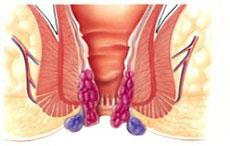
PILES / FISTULA / FISSURE AYURVEDIC CURE FOR Piles Suffering from Painful, Itchy or Bleeding Piles?. Hemorrhoids are embarrassing. The fact is,most people will get a hemorrhoid flare-up at some point in their life. A painful lump on your butt or the sight of blood is frightening. You panic and ask, "do I have cancer"? The good news: most likely it's just a swollen vein - a hemorrhoid. It hurts but is not life threatening. We suffer in silence because we're too embarrassed to talk about it. The pain and itching become unbearable given that there are so many sensitive nerve endings around the anal area. You can't focus. After a week of suffering you become physically exhausted and mentally depressed. Women avoid having sex, afraid that their partner will find out about their hemorrhoids. What is a Hemorrhoid? (Piles) A hemorrhoid is an enlarged vein in the anus (it's also called a varicose vein). In a healthy person, the tissue around the anus fills with blood to regulate bowel movements. However, when there is constant pressure or other factors restricting blood flow, the veins become inflamed. Poor blood flow may cause a blood clot. That results in a painful, swollen, protruding hemorrhoid. Physicians classify two types of hemorrhoids: External Hemorrhoids symptoms are itching and burning. Streaks of blood may appear on toilet paper during bowel movements. Internal Hemorrhoids common symptoms are rectal and intense pain. Internal hemorrhoids often protrude and clot. The presence of mucus and blood is also a sign of internal hemorrhoids. What Causes Hemorrhoid? Piles are caused by continuous pressure on the small vein in the anus. Potential causes: Prolonged sitting or standing Constipation and straining at bowel movements Frequent Diarrhea Excess weight Pregnancy and childbirth Age Genetics Heavy lifting Can Hemorrhoids be Cured? YES,ONLY THROUGH AYURVEDA KSHARA SOOTRA. NO RELAPSE, MINIMUM PAIN,NO BLEEDING,100% CURE,NO SIDE EFFECTS. Hemorrhoid Treatments Rubberband Application - - Elastic bands are wrapped around the base of a Hemorrhoid to cut off blood supply. Within several days, the Hemorrhoids dies and falls off. Some patients experience pain and bleeding after the treatment. It does not cure the cause of Hemorrhoids so they usually reappear. Infrared Therapy - - Infrared beam is used to burn off some tissues to cut off the blood to the hemorrhoid. Five to six treatments (one per week) are necessary. Although it's advertised as pain-free, many patients complain of intense pain during treatment. It does not cure the cause so the hemorrhoids usually reappear. Agni Karma Agni Karma is the best procedure done through Panchaloha Shalaka for external Pile mass and external Fissure skin tag. Hemorrhoidectomy - - a surgical procedure that removes the hemorrhoids. Statistics have that this treatment may cause incontinence later in life so it is recommended only for severe cases. Many patients complain of intense pain during recovery, so it should be the last resort. All of the above procedures are painful, expensive and embarrassing. They do not address the source of the problem and therefore are not effective in the long term. Kshar-sootra (Alkaline thread): An ideal treatment for Interna Pile mass, Sinus and Fistula (Bhagandara) :- Diseases of anus and rectum are commonly termed as Piles or Massa or mass or moka in general public. These diseases are very frustrating to the suffering person. Among these diseases, Bhagandara (Fistula-in-ano) is a notorious disease to tackle and cure. Even after meticulous surgery, it is very prone to recurrence. For such patients, the Kshar-sutra or Alkaline thread therapy brings a ray of hope. The ksara-sutra ensures complete healing without recurrence. There is no need to stay at the hospital. It is also a good therapy for piles, Fissure, Pilonoidal sinus etc. Dr. Pravin Chowdhary has been performing theses procedures at Tibbia College Hospital of Delhi Govt. What is Kshara-sutra (Alkaline thread) A surgical thread is coated with 21 layers of Ayurvedic medicines such as Achyranthus aspera, turmeric, Euphorbia etc. It may also be prepared by using Guggul, Turmeric and some alkaline material. How it acts It acts by virtue of chemical cauterization. It destroys the infected material presents in the sinus and makes the wound free of infection. The wound heals beautifully. It also eradicates infected anal glands. The complete eradication of infection ensures complete eradication of disease. When tied in Fissure and piles, it cuts the mass and eradicates infection. Therefore the wound heals without complication. It is natural; therefore, free of side effects. Duration of therapy Piles,Fissures:Onetimesitting(7to10days). Fistula and Sinus: As per the length of track. Weekly changing of thread. May take one month to six seven months. Ayurvedic medicines Oil enema :- Jatyadi taila in Fissure and Fistula. Kasisadi taila in piles and prolapse. Bowel regulator :- Triphala, Panchasakar powder. Antiseptic :- Triphala guggulu, Sepgon, Amebanil etc. Have information on anus and rectum disorders such as Bhagandar (Fistula), Fissure (badi bavasir), Bleeding Piles or Hemorrhoids (Khuni bavasir) etc; you may avoid life-long frustrations. Bleeding Piles ( Hemorrhoids) What are Hemorrhoids :- These are the varicosities of the rectal veins. They commonly occur at the 3, 7, and 11’O clock position when patients lies down in recumbent position. Causes:- 1.Heriditary 2.Straining during defecation due to constipation, Diarrhoea or Dysentery. 3.Low roughage diet. 4.Due to some diseases like Cancer in rectum, Chronic constipation, Colitis, Liver cirrhosis (Portal hypertension), Urinary obstruction etc. 5.During pregnancy. Symptoms Bleeding Patient notices bleeding during passing stool without pain or with a very little pain. The bleeding occurs drop by drop or by as a jet. The pot is stained by blood points. The condition is known as bleeding piles or Hemorrhoids. It is termed as Khuni bawaseer. Discharge In long standing case of prolapsed piles discharge is a common symptom. The discharge may give rise to itching. Anaemia Continuous loss of blood causes low hemoglobin levels, weakness, loss of appetite, giddiness and palpitation in piles patient. Stages of piles :- It has four degrees or stages. Ist Degree :- Piles don’t come outside the anus during defecation. There is only painless bleeding. IInd Degree :- In second stage they may come out but reduce spontaneously. IIIrd Degree :- In the third stage they come out during defecation and patient has to reduce them manually. IVth Degree :- Permanent prolapse of Piles. Treatment of bleeding Piles Stage Wise:- First degree: By Ayurvedic medicine comprising of bowel regulator, astringents and digestives. Second degree: Ayurvedic medicines, Infra-red waves (to stop bleeding), Laser coagulation, Injection therapy and Banding at the base of the piles. Third and forth degree: Ligation and excision is performed. Ligation with the help of Ayurvedic surgery (Kshar-sutra) gives better results in comparison to modern surgery. Kshar-sutra is found to be very useful in the management of piles. Complete cure of the Ano-rectal diseases. No Hospitalization - Day care treatments. No Incontinence. No Recurrence. Less Pain No Blood Loss. Patient is back to work from next day Safe treatment For further details please contact : 23505777, 9341226614 FISTULA FISSURE
Subcategory Tags

ANO RECTUM (PILES / FISTULA / FISSURE)AYURVEDIC CURE FOR ASTHMAAYURVEDIC CURE FOR MIGRAINEAllergy & AsthamaArthritis center In RajajinagarAyurveda treatment for DiabetesAyurvedic Asthama treatment in bangaloreGenital Herpes TreatmentMale Impotence treatmentObesity TreatmentObesity Treatment in BangalorePSORIASIS TreatmentPSORIASIS Treatment in BangaloreSKIN CARESpine care treatmentSpine care treatment in Bangalore

Contact Us

Live Chat

Connect over WhatsApp to resolve your queries realtime.